Power tools boost efficiency in construction and home improvement projects but also bring a high risk of injury due to their intense power and complex operation. Knowing what to do after an accident involving power tools is essential for safety and recovery. Keep reading to learn the common injuries power tools can cause and the crucial steps for legal and medical recourse, as explained by our skilled Houston construction accident lawyers.
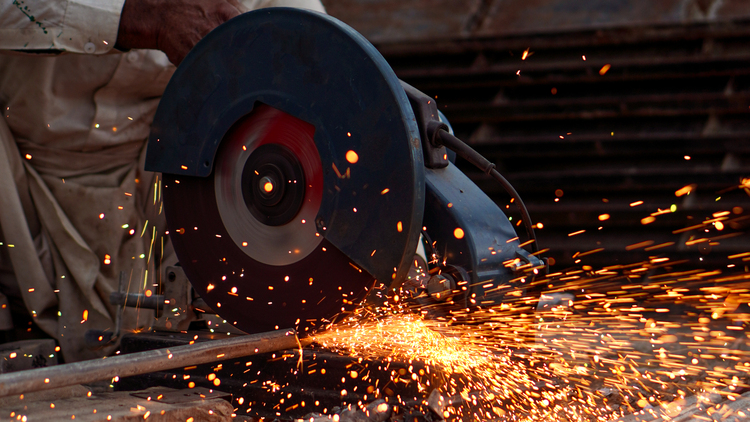
Types of power tools that cause the most injuries
Power tools vary widely in design and function, each presenting unique hazards:
Electric tools
Electric power tools like drills, saws, and sanders are prevalent but can cause shocks, burns, and other injuries if used improperly. Safe operation, especially in damp or outdoors, requires tools with either three-wire grounding or double insulation to protect against electrical shocks.
Pneumatic tools
Tools powered by compressed air, such as pneumatic drills, can shoot objects such as nails or staples across the room at a dangerously high velocity, presenting a risk of being struck by a hard object at high speed. These tools can also cause vibration-related injuries over time, affecting nerves, muscles, and joints, especially impacting hands and fingers due to the high-speed vibration of the tools.
Power-actuated tools
Nail guns, which operate with a controlled explosion similar to firearms, pose risks of puncture wounds and other serious injuries. The CDC notes that nail guns are responsible for over 37,000 emergency room visits each year.
Hydraulic and liquid fuel tools
Hydraulic tools used for lifting can cause severe caught-between injuries if not operated correctly. Similarly, gas-powered tools like chainsaws may cause burns or other injuries if they malfunction or catch fire.
Employer responsibilities
Employers play a critical role in preventing power tool injuries by adhering to OSHA standards, which include:
- Maintaining tools in safe condition.
- Removing defective tools from use.
- Providing proper lighting and training for safe tool operation.
- Ensuring all workers have and use appropriate Personal Protective Equipment (PPE).
Special considerations for liquid-fueled tools
Tools powered by gasoline or other fuels need particular caution. Employers must train workers to handle these tools safely, emphasizing the need to shut off and cool down the tools before refueling and ensuring adequate ventilation to prevent inhalation of toxic fumes.
Legal recourse for power tool injuries
When injuries occur, workers may have several avenues for recourse:
- Workers’ compensation: Generally covers medical expenses and a portion of lost wages for injuries incurred on the job.
- Third-party claims: The manufacturer might be liable if a defect in the tool causes a power tool injury. In cases where negligence by someone other than the employer contributed to the injury, a third-party claim might be appropriate.
Injured by a power tool? We can help.
While power tools can significantly boost productivity, the injuries they can cause are substantial and varied. Knowing how to respond legally and medically can mitigate the impact of these injuries and protect your rights. Havens & Associates is committed to assisting those injured by power tools, ensuring they receive the compensation and support they deserve.
If you have been injured by a power tool and need guidance on your next steps, contact Havens & Associates for expert legal assistance tailored to your needs.