Working on the sea presents a unique set of challenges and risks, especially when the vessel is not up to maritime safety standards. Workers on tugboats, barges, offshore oil rigs, and those involved in maritime helicopter operations face significant dangers if their working environment is deemed unseaworthy. This piece explores the potential hazards these workers encounter, their rights to compensation under Texas, federal, and international laws, and how the skilled Houston maritime injury attorneys with Havens & Associates can assist in protecting those rights.
What exactly does it mean to be “unseaworthy?”
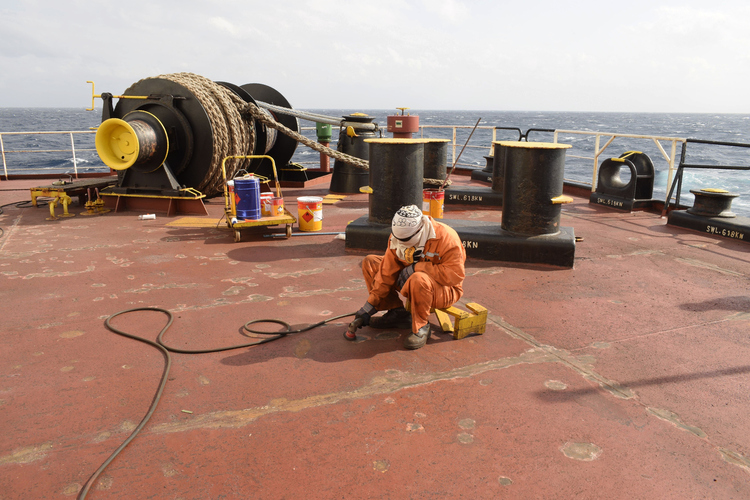
A vessel is considered unseaworthy if it lacks the appropriate equipment, maintenance, or crew competence to operate safely according to maritime standards. Here are ten of the most common causes of unseaworthiness:
- Unsafe ropes, tools, and equipment
- Lack of adequate safety equipment
- Unprotected floor openings and stairwells
- Trip hazards on deck
- Inadequate railings
- Unsanitary conditions (spoiled food, unsafe drinking water, etc.)
- Understaffed or inadequately trained crew
- Inadequate vessel maintenance
- Slippery decks and gangways
- Ship doctors with inadequate training
If you have suffered an injury due to any of these conditions, Havens & Associates is here to help. Our experienced maritime lawyers can assist you in pursuing a claim for compensation to cover your losses and support your recovery.
Unseaworthy hazards affect all types of maritime workers
Tugboats and barges
Workers on tugboats and barges are exposed to heavy machinery and intense physical labor in an environment that can become perilously unsafe if the vessel is not maintained.
Common risks include slips and falls, being struck by heavy objects, and machinery failures—all exacerbated by unseaworthiness. Poor vessel maintenance can lead to structural failures that might cause immediate injuries and increase the risk of sinking.
Offshore oil rigs
Unseaworthy conditions magnify the inherently dangerous nature of offshore oil rigs. These might include faulty safety equipment, inadequate fire suppression systems, or structural weaknesses in the rig. Workers might suffer from severe injuries due to explosions, fires, or collapses, which are particularly dangerous miles away from immediate medical help.
Maritime helicopter operations
For workers involved in maritime helicopter operations, the unseaworthiness of either the helicopter or the vessel from which operations are conducted can be deadly. Issues like inadequate helicopter maintenance, lack of proper landing equipment on ships, or poor training can lead to catastrophic crashes and fatalities.
Legal rights to compensation
Texas maritime workers
In Texas, maritime workers are protected under both federal and state laws. Texas does not have specific maritime statutes but follows general personal injury law principles and adheres to federal maritime laws. Workers injured due to unseaworthiness can seek compensation for medical bills, lost wages, and other damages through personal injury claims. If negligence can be proven, these claims can be filed against employers or vessel owners.
Federal protections
Federally, the Jones Act provides significant protection to seamen injured due to negligence. Under the Jones Act, workers have the right to sue their employers for injuries arising from negligent acts of the employer or co-workers during the course of employment. Additionally, the Doctrine of Unseaworthiness under general maritime law allows workers to claim compensation directly from the vessel owners if they can prove that the vessel was not seaworthy at the time of the accident.
International waters
The situation can be more complex for workers in international waters. While international maritime law, such as conventions from the International Maritime Organization (IMO), provides some safety and operational standards, the applicability depends on the flags under which the vessels operate. Workers on vessels under flags that do not enforce strict safety standards might find it challenging to claim compensation. However, protections under the Maritime Labour Convention and other treaties can provide a basis for claims, often in the country where the vessel is registered.
How Havens & Associates can help
Our skilled attorneys specialize in maritime law and have extensive experience handling cases related to tugboats, barges, offshore oil rigs, and maritime helicopter operations. We are dedicated to ensuring that maritime workers understand their rights and receive the full compensation they are entitled to under the law. Contact us online or call (713) 955-2215 to schedule a free consultation today.